A
B
C
D
E
Masters Student · Electrical EngineeringBUS A

Tuong Bao Nguyen

I am currently studying a Master of Electrical Engineering at the University of Melbourne with a core focus on low-carbon power systems.

Renewable integration
Grid stability & control
Emissions-aware forecasting
Field
Power Systems Engineering
Specialisation
Low-Carbon Power Systems
Location
Melbourne, Australia
Focus
Grid Decarbonisation
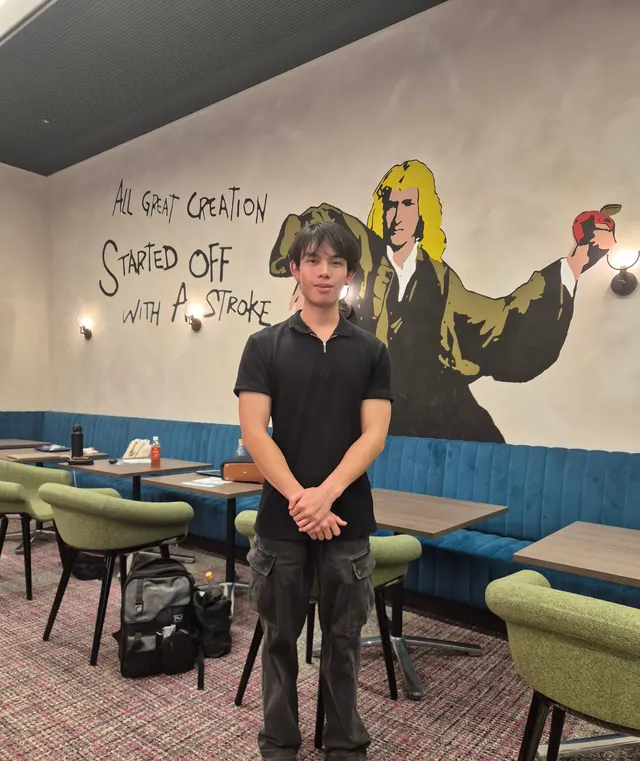
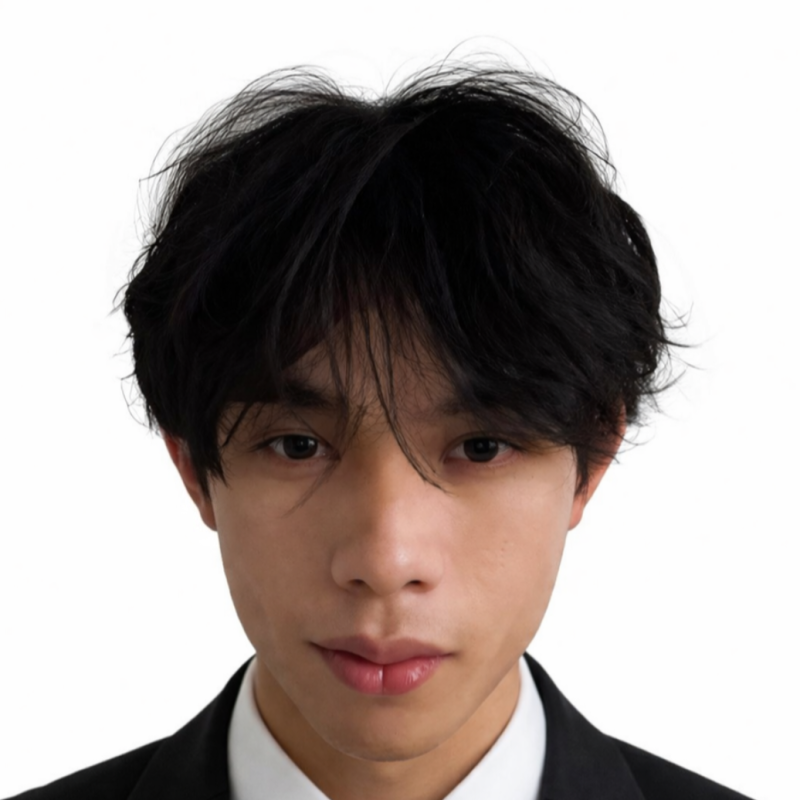
User profile photo
Get to know me BUS B
About Me
Driven by a passion for power systems, renewable energy, and solving real-world engineering challenges, discover the journey, interests, and experiences that have shaped my aspirations in the energy industry.

I'm an electrical engineering student at the University of Melbourne with a passion for power systems, renewable energy, and the technologies driving the transition to a low-carbon future. My goal is to build a career designing and improving the electrical infrastructure that powers communities while supporting a more sustainable energy system.

I enjoy solving complex engineering problems and applying theory to practical challenges. Through my studies, internships, and personal projects, I've developed experience in power system analysis, renewable energy integration, electrical design, and hardware development. I'm particularly interested in grid modernisation, battery energy storage systems, power electronics, and emerging technologies that improve the reliability and efficiency of electricity networks.

Outside of engineering, I enjoy staying active through the gym and boxing, continuously learning new technologies, and working on personal engineering projects that allow me to explore ideas beyond the classroom. I also enjoy connecting with engineers and industry professionals, sharing ideas, and learning from different perspectives.

I'm always looking for opportunities to learn, collaborate, and contribute to projects that make a meaningful impact on the future of energy.

Education

Master of Electrical Engineering
Low-Carbon Power Systems
The University of Melbourne · Expected Nov 2027
Developing advanced expertise in power systems, renewable energy integration, and sustainable electricity networks.
Bachelor of Science
Electrical Engineering Systems
The University of Melbourne · Nov 2025
Established core understanding of electrical engineering systems, circuit analysis, electronics, and programming through coursework theory, laboratory experience, and practical engineering projects.

Skills

Power System Analysis Circuit Analysis Renewable Energy Python C Verilog MATLAB / Simulink LTSpice Git Circuit Debugging Electrical Fault Diagnosis Oscilloscope Digital Multimeter Signal/Network Analysis

Beyond the Grid

Outside of studying and work, here's what keeps me grounded.
Where I've worked BUS C
Experience
Building practical engineering experience through internships, research, and industry projects, I've developed the technical skills and practical knowledge needed for a career in electrical and power systems engineering.
Proa Energy Logo
Power Systems Engineering Intern
Proa Energy ↗
📍 Melbourne, Australia
National Electricity Market (NEM) Constraint Forecasting
Aug 2026 – Present
🌣

Coming Soon

Still completing internship — check back soon!

Kai Scientific Logo
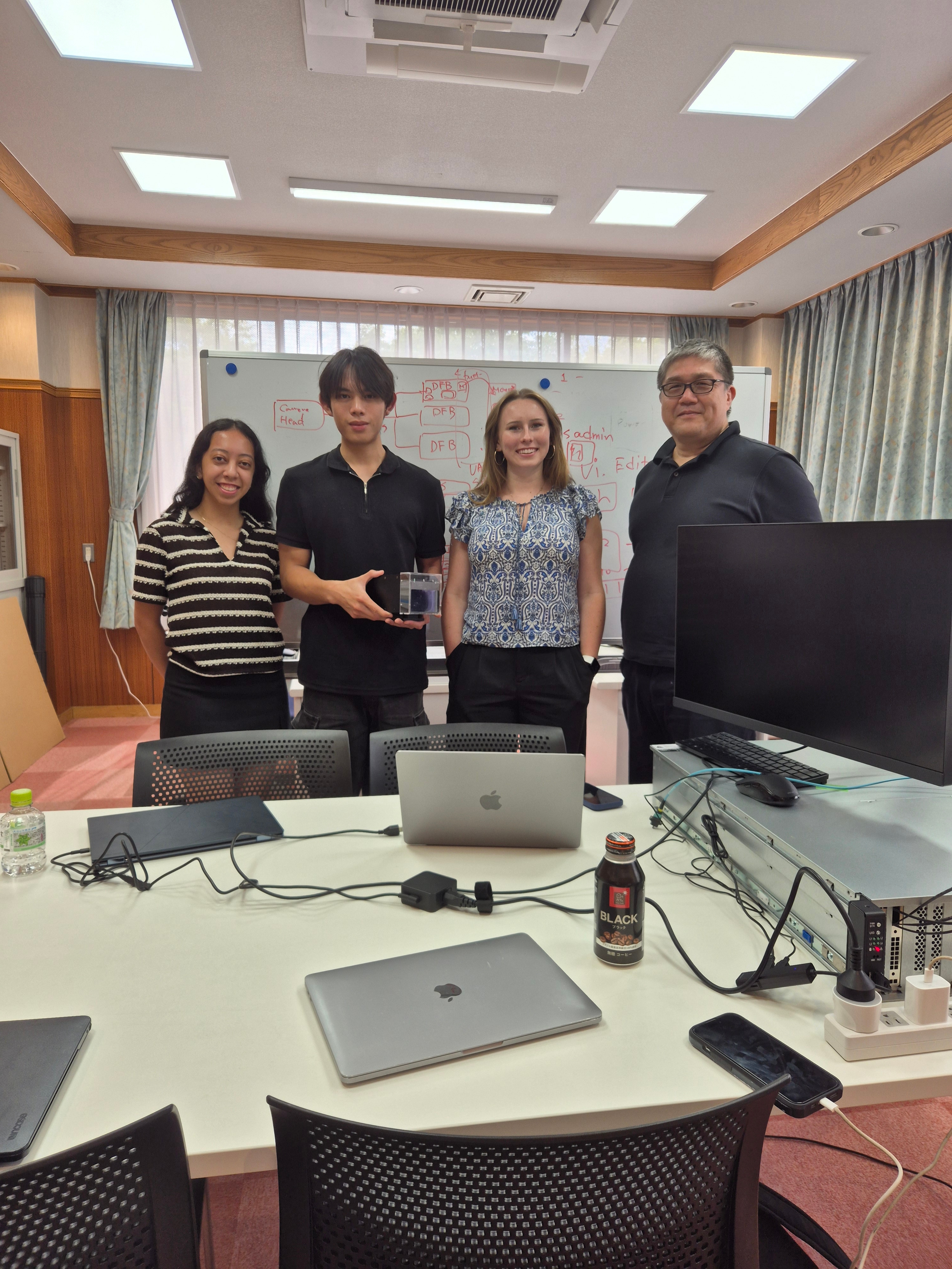
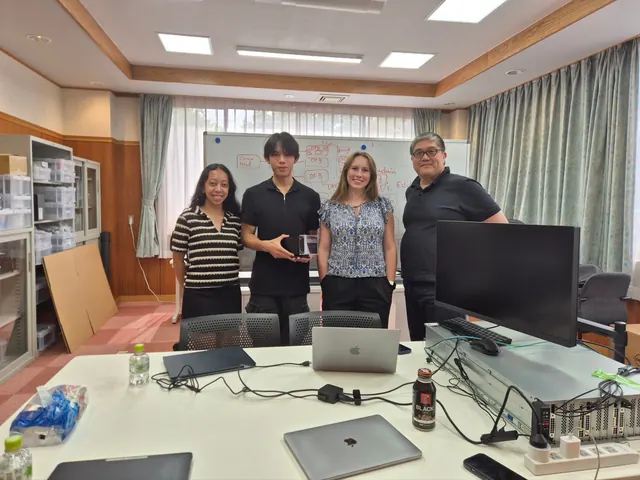
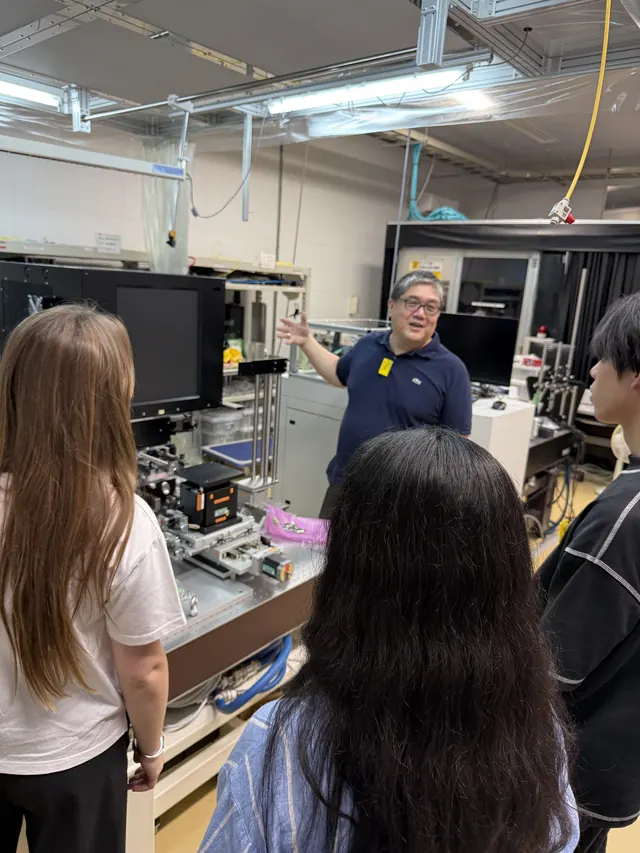
Electrical Engineering Intern
Kai Scientific Limited ↗
📍 Tatsuno, Japan
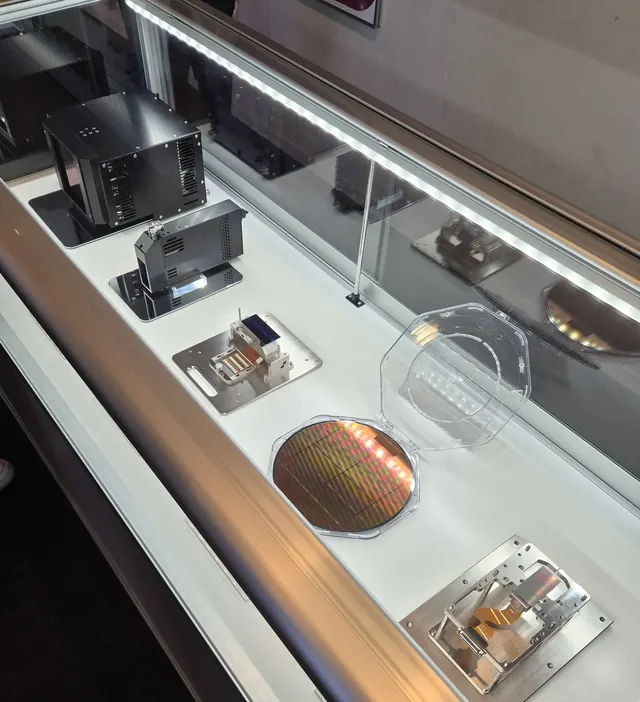
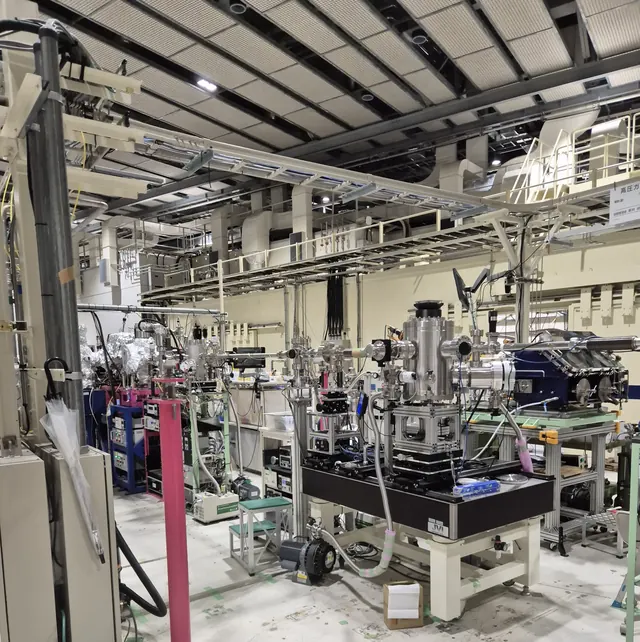
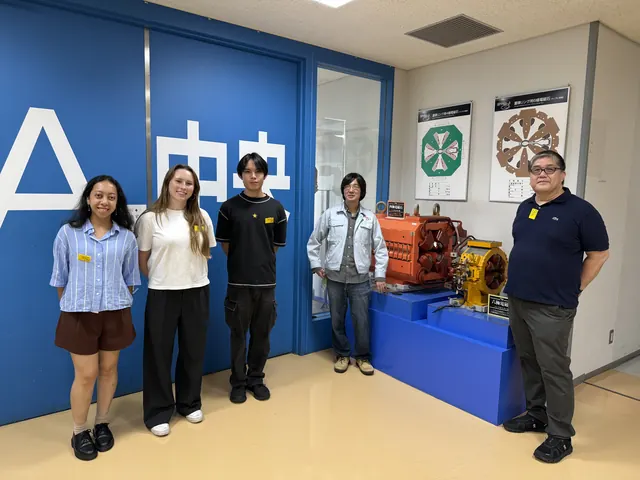
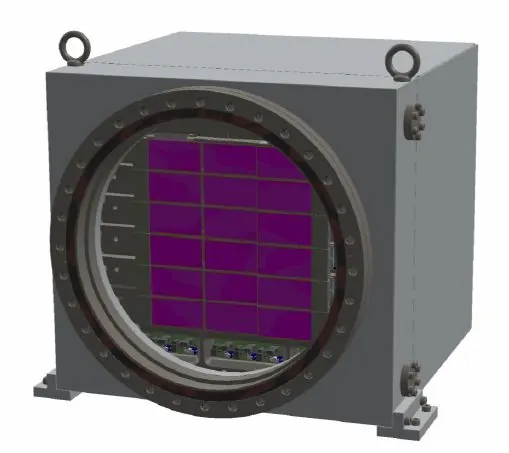
R&D of Ultra-High Vacuum Electronics
Jun 2026 – Aug 2026
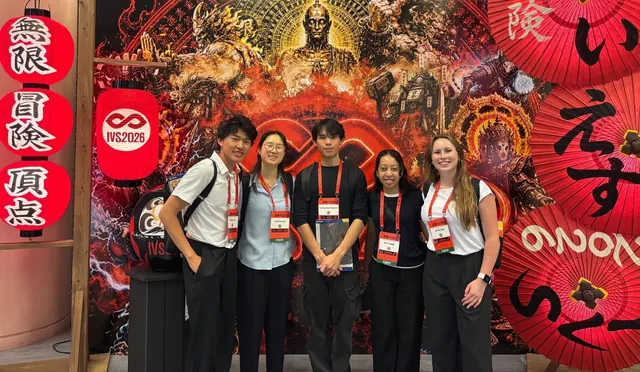
Add photo of team
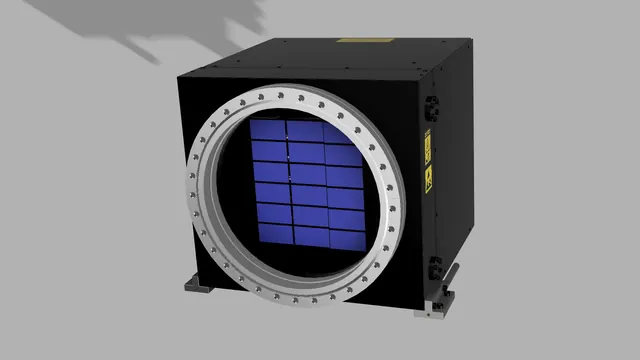
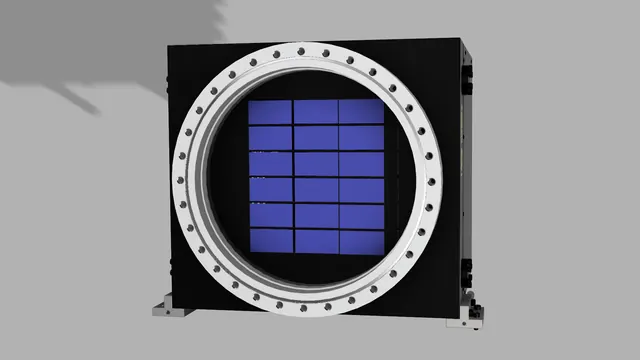
Add photo of camera
Professional Photo
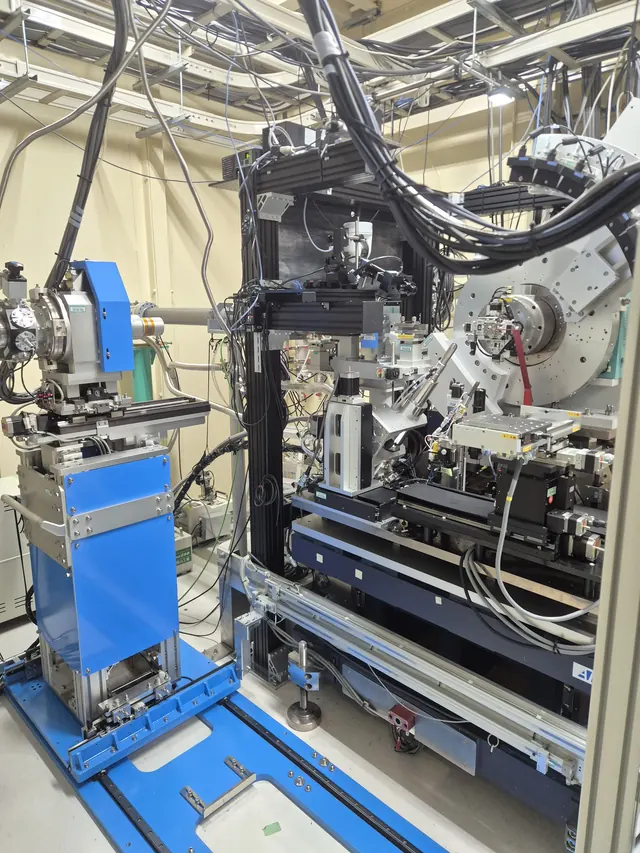
CITIUS 5.04M camera
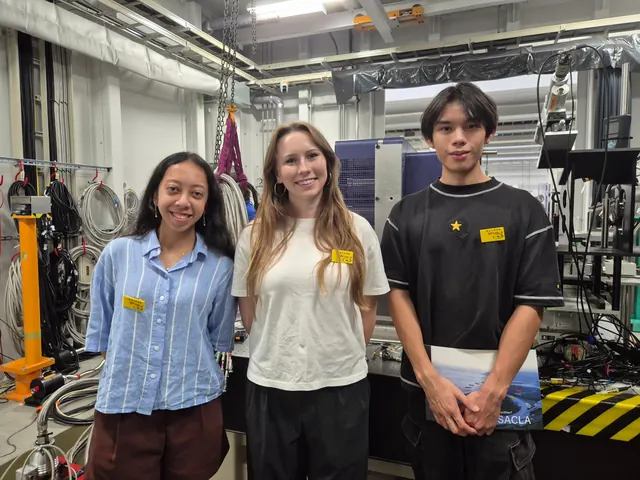
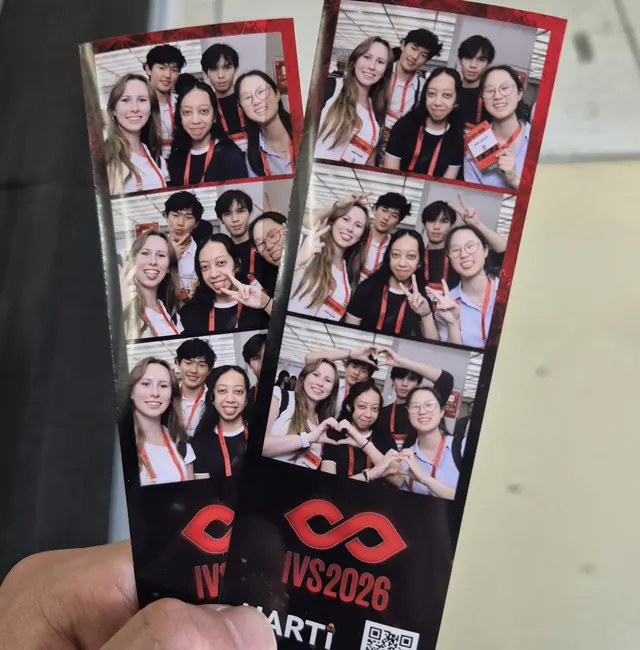
Team Photo 2
Accomplishments
  • Contributed to the optimisation of electronic hardware by reducing power consumption to minimise heat generation and improve reliability in high-vacuum operating environments
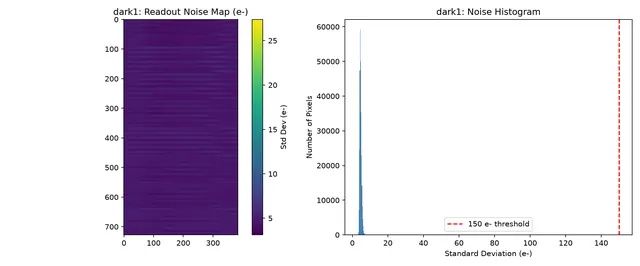
  • Improved hardware characterisation by developing a Python tool to analyse over 45 GB of electronic sensor noise data, supporting signal integrity assessment and electrical performance validation
  • Contributed to engineering investigations into wide-bandgap semiconductor technologies, supporting the assessment of radiation-tolerant electronic devices for advanced scientific applications
Responsibilities
  • Assisted in the design, prototyping, assembly, and validation of electronic circuits and hardware for high-performance scientific camera systems
  • Conducted electrical testing, signal analysis, and troubleshooting to identify hardware faults and verify system reliability using laboratory test equipment and Python-based data analysis
  • Performed technical investigations into semiconductor devices and collaborated with multidisciplinary teams to support hardware integration, system commissioning, and engineering documentation
Learnings
  • Strengthened practical skills in electronic circuit testing, hardware validation, signal integrity analysis, and engineering problem-solving throughout the product development lifecycle
  • Gained experience analysing large-scale electrical measurement data to evaluate sensor performance, noise characteristics, and overall system reliability
  • Developed a deeper understanding of advanced semiconductor materials, hardware integration, and the engineering considerations for electronics operating in high-vacuum and synchrotron radiation environments
What I've built BUS D
Projects
Self-driven builds, academic work, and team efforts; most of it circling back to my interests, aspirations, or renewables in some form.
Copyright and Academic Work Disclaimer
The projects presented here were completed by me (and collaborators) for university engineering projects. Unless otherwise stated, all original code, circuit designs, simulations, PCB layouts, documentation, and other materials were created by me (and collaborators) and remain our intellectual property.

These projects were undertaken as part of coursework at the University of Melbourne and may have utilised university provided laboratory equipment, software, datasets, or assignment specificiations. Such resources remain the property of their respective owners and are included only where appropriate for the purpose of demonstrating my engineering skills and experience. No confidential, proprietary, or assessment restricted materials have been intentionally reproduced.

All trademarks, logos, software, and third-party content remain the property of their respective owners. If you believe any material in this portfolio has been included in error or infringes copyright, please contact me and it will be reviewed promptly.
Inverted Pendulum Stabilisation and Control System
Control Systems
Semester 1, 2026
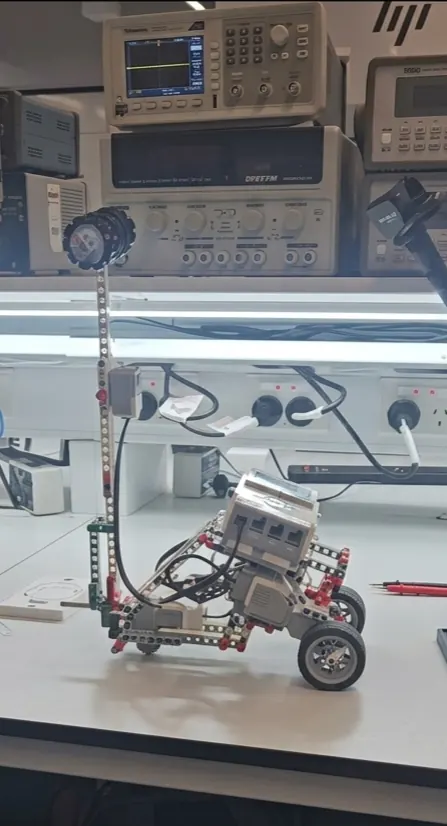
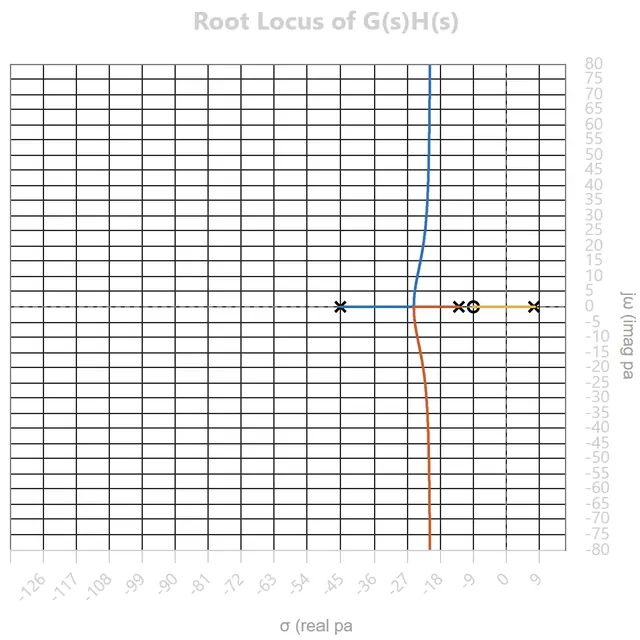
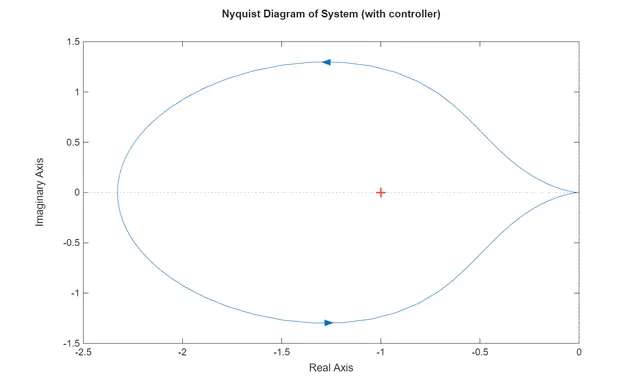
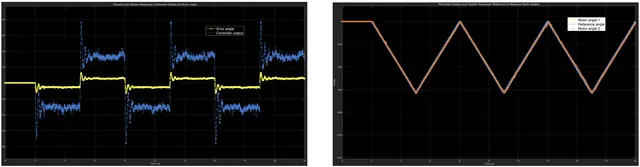
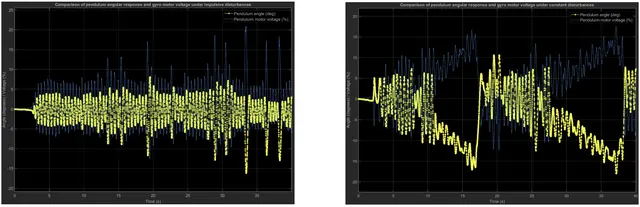
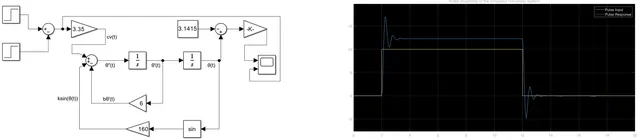
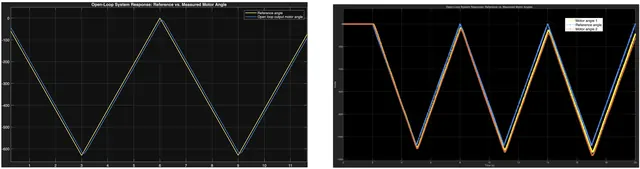
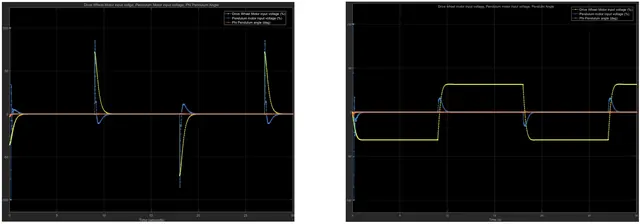
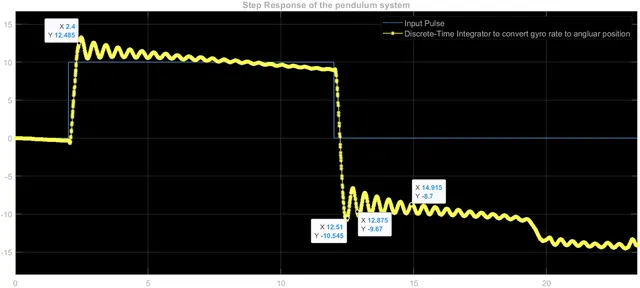
Designed and implemented a feedback control system to stabilise an inverted pendulum (inherently unstable mechanical system) on a LEGO EV3 robot using MATLAB/Simulink. Developed mathematical plant models through system identification and transfer function analysis, designed and tuned phase-lead and closed-loop controllers, and validated performance through simulation and real-time hardware testing under external disturbances.
Collaborators: James Teng & Ethan Ng
Robot Photo
Bode diagram with controller
Root Locus of System
Nyquist of System
Closed Loop Experminetal
Pendulum Experimental
Non Linear System Design
Open Loop Base Response
Pendulum Simulation
Pendulum Step Response
Accomplishments
  • Designed a phase-lead controller achieving a 50° phase margin, 30 rad/s crossover frequency, and complementary sensitivity bandwidth below 50 rad/s
  • Successfully stabilised an inherently unstable inverted pendulum, rejecting both impulse and constant disturbances during real-time hardware testing
  • Validated controller performance through MATLAB/Simulink simulation and physical implementation, demonstrating close agreement between predicted and experimental system behaviour
Responsibilities
  • Developed and validated MATLAB/Simulink simulations for controller verification and disturbance analysis
  • Implemented and tested real-time controllers on the LEGO EV3 platform using Simulink External Mode and analysed experimental performance
  • Evaluated controller robustness by comparing simulation and hardware results, identifying the effects of nonlinearities, sensor noise, friction, and model uncertainty
Learnings
  • Applied control systems theory including system identification, transfer function modelling, frequency domain analysis, root locus, and phase-lead controller design
  • Gained practical experience deploying controllers from simulation to embedded hardware and understanding the challenges of real-world implementation
  • Learned how modelling assumptions, nonlinear dynamics, actuator limitations, and sensor imperfections influence closed-loop control performance
Custom Speaker System with Integrated Equaliser
Analogue Circuits
Semester 1, 2025
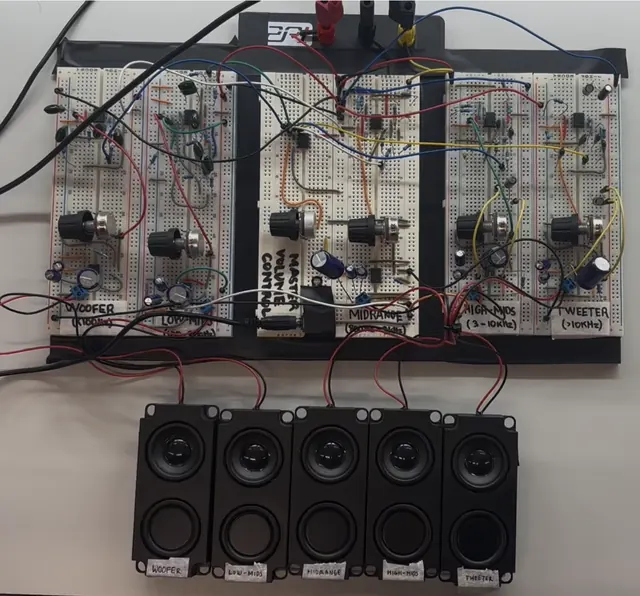
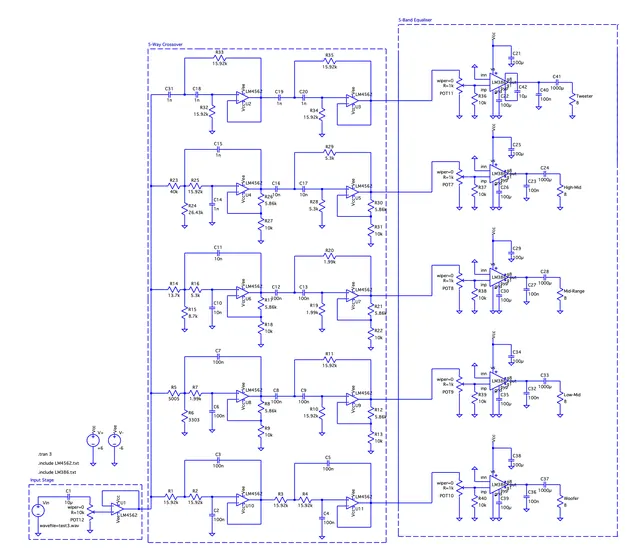
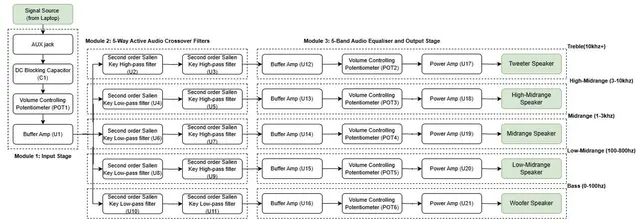
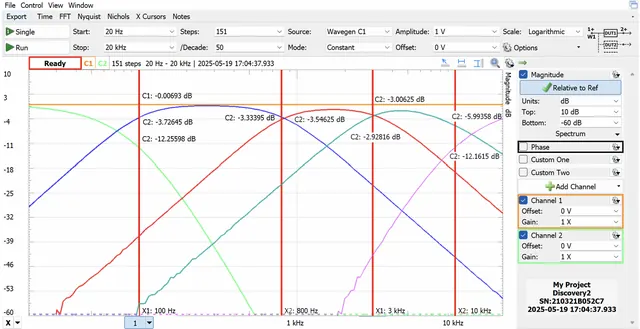
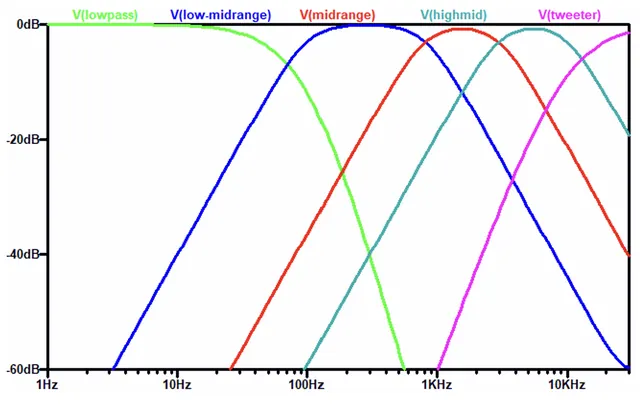
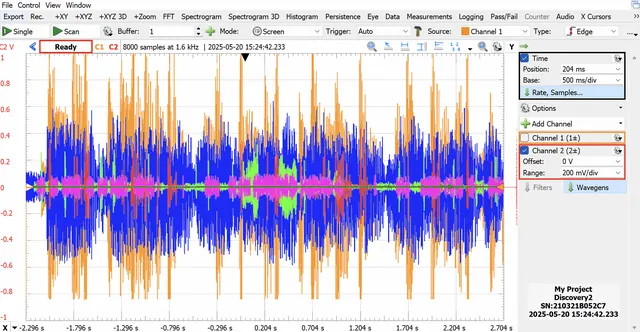
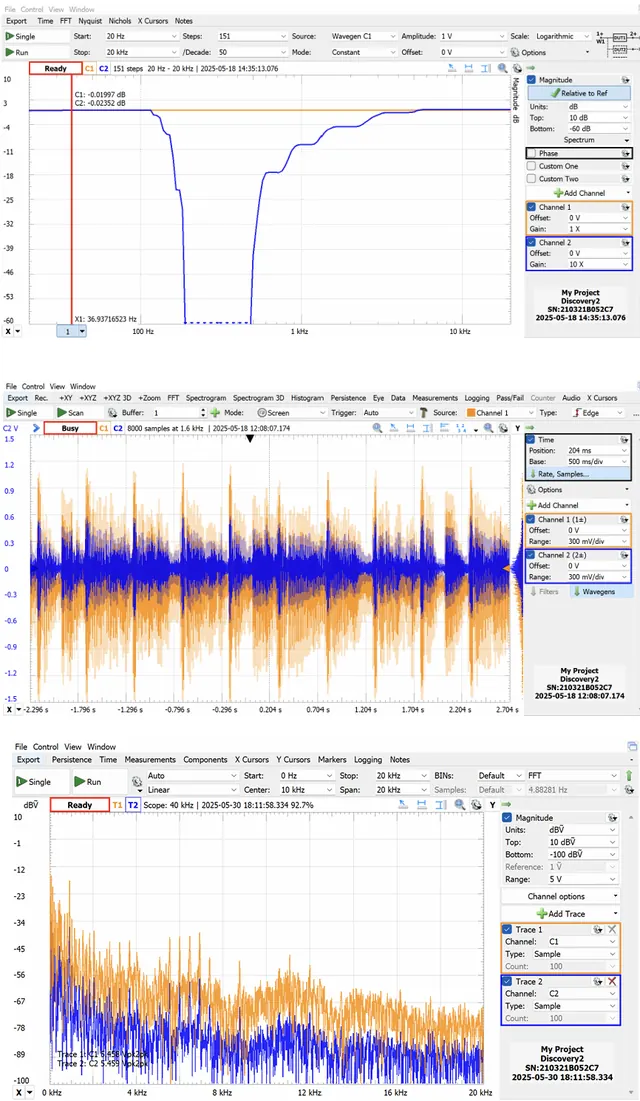
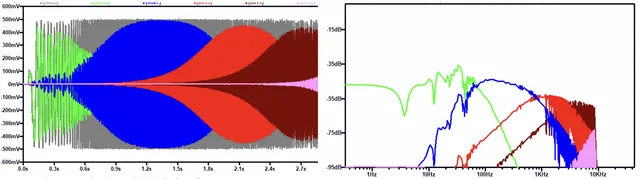
Designed and developed a 5-way active audio crossover using operational amplifier filter stages to accurately divide the audio spectrum into dedicated frequency bands for separate speakers. Simulated, tuned, and validated the analog circuitry using LTSpice before implementing and testing prototypes physically, optimising gain, frequency response, and signal fidelity for high-quality audio reproduction.
Collaborators: Zhong Chun Xie & Ayra Delfina
Speaker System
Speaker LTSpice Circuit
Speaker Flowchart
Speaker Experimental Freq Response
Speaker Simulated Freq Response
Speaker Experimental Soundwave
Speaker Input Experimental
Speaker Crossover Simulation
Accomplishments
  • Achieved precise frequency separation across 5 audio bands with ±0.5 dB gain accuracy and less than 0.5% total harmonic distortion
  • Optimised the circuit to deliver a flat 20 Hz–20 kHz frequency response with consistent audio performance
  • Successfully translated LTSpice simulations into physical prototypes, achieving approximately 95% agreement between simulated and measured performance
Responsibilities
  • Designed active filter circuits using operational amplifiers, selecting component values to meet crossover frequency and gain requirements
  • Modelled, simulated, and optimised circuit performance in LTSpice, analysing frequency response, gain, phase, and distortion characteristics
  • Built, tested, and debugged physical prototypes using electronic test equipment to validate circuit operation and refine performance
Learnings
  • Developed a strong understanding of active filter design, including Butterworth response, crossover networks, and op-amp circuit implementation
  • Improved practical skills in analogue circuit debugging, component tolerance analysis, and translating simulations into reliable hardware
  • Gained experience balancing theoretical performance with real-world limitations such as noise, distortion, power supply stability, and circuit layout effects
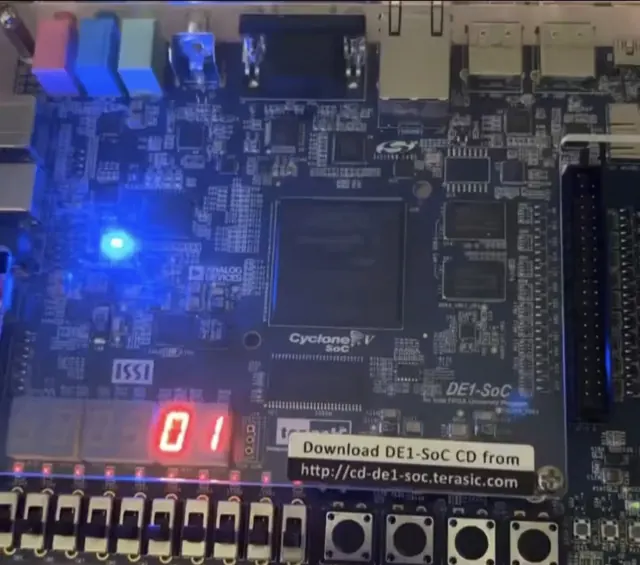
FPGA Clock
Digital Systems
Semester 1, 2024
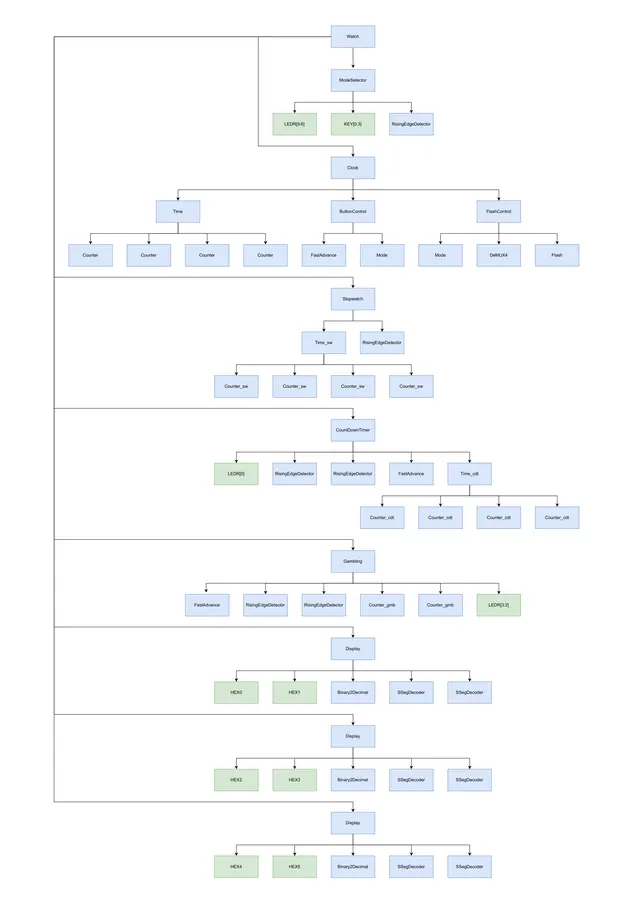
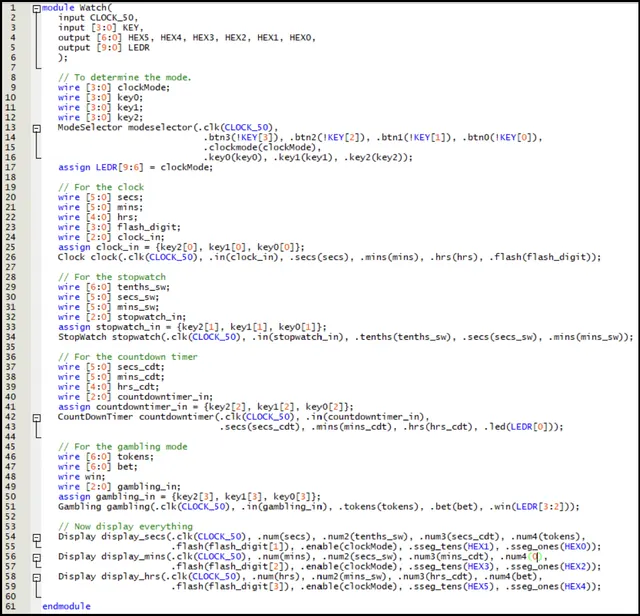
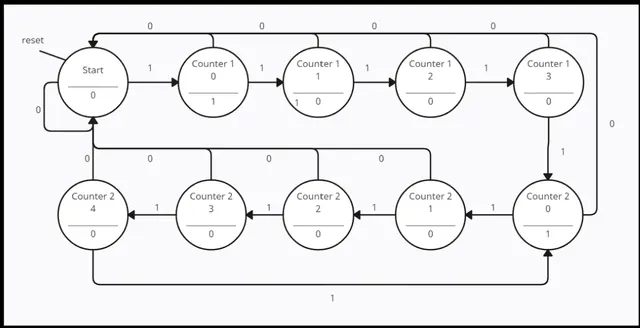
Designed and implemented a multi-mode digital clock system on the DE1-SoC FPGA using Verilog HDL and finite state machines (FSMs). The project incorporated four operating modes: clock, timer, stopwatch, and game, while demonstrating core digital design concepts including synchronous logic, clock division, state machine design, and FPGA implementation. The system is interfaced with six seven-segment displays to provide real time visual output and was developed using modular hardware architecture to improve scalability and code reuse.
Project Image
Project Block Diagram
Project Top Level Module
Clock FSM
Accomplishments
  • Developed a fully functional multi-mode (4 modes) digital system on an FPGA, integrating clock, timer, stopwatch, and game functionalities within a single hardware design
  • Implemented a clock divider to convert a 50 MHz FPGA system clock into lower-frequency (50 Hz) timing signals, achieving accurate real time operation with approximately 0.5% timing accuracy
  • Created a modular and reusable Verilog architecture that simplified debugging, testing, and future expansion of digital hardware designs
Responsibilities
  • Designed and implemented digital logic modules in Verilog HDL, including finite state machines, counters, timers, and display controllers
  • Developed clock generation and frequency division modules to provide stable timing signals for multiple operating modes
  • Tested, debugged, and validated FPGA functionality using simulation and on-board hardware testing to verify timing accuracy and system reliability
Learnings
  • Gained practical experience in FPGA development, digital hardware design, and hardware description languages through implementing a complete embedded digital system
  • Developed a strong understanding of synchronous digital design concepts, including finite state machines, clock domains, timing constraints, and sequential logic
  • Improved hardware debugging and verification skills by identifying and resolving logic, timing, and integration issues during FPGA implementation
🌣

Coming Soon

Still uploading more projects — check back soon!

🌣

Coming Soon

Still uploading more projects — check back soon!

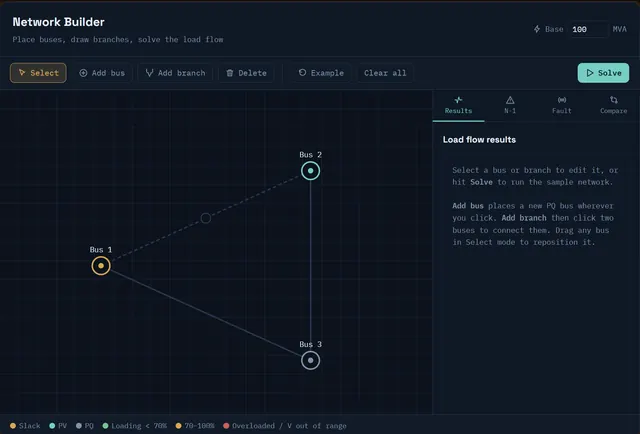
Power Flow Analysis and Voltage Stability Assessment of a Transmission Network
Self-directed · Power Systems
Nov 2025 — Feb 2026
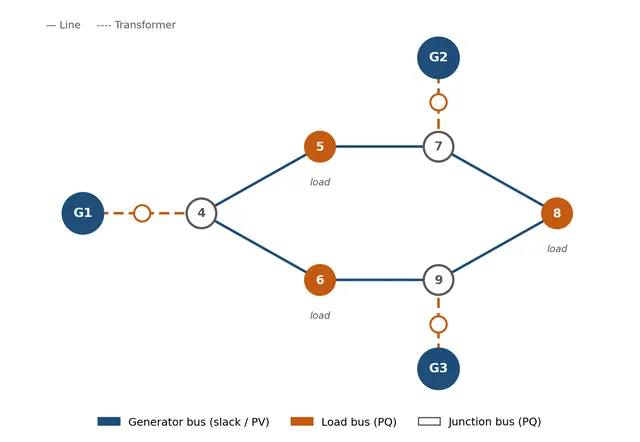
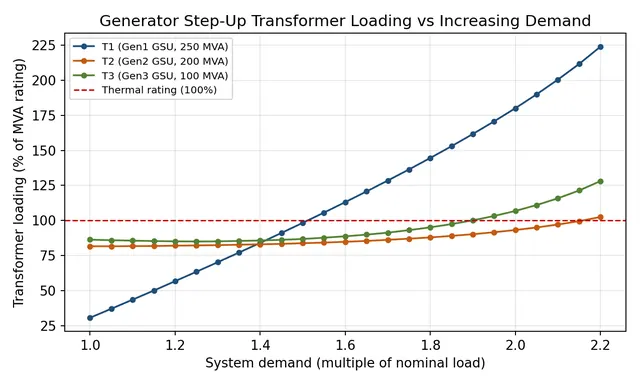
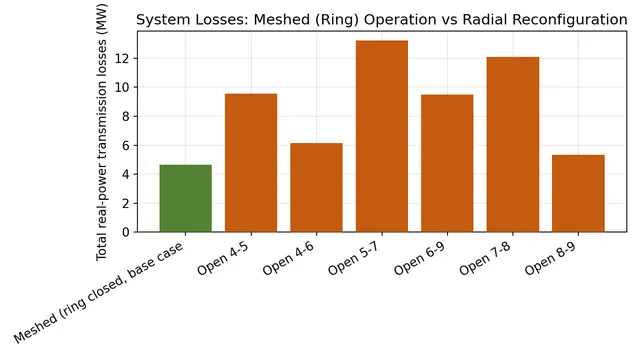
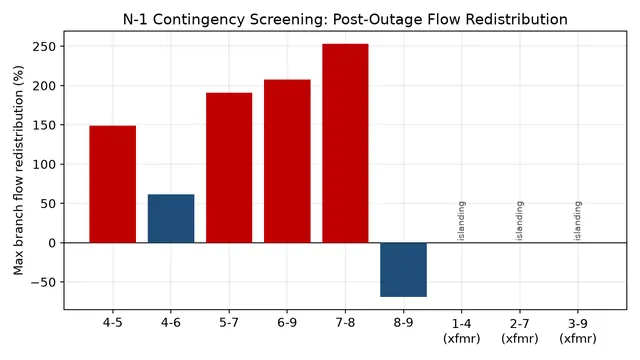
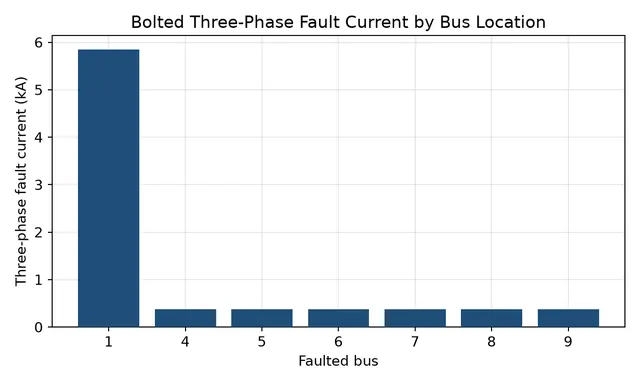
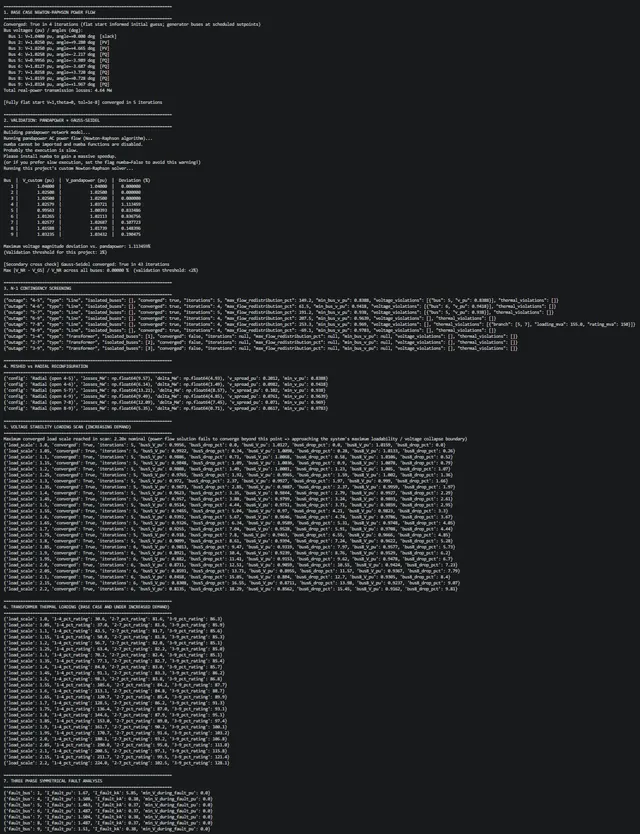
To better understand the operation and reliability of electrical transmission networks, I developed a Python-based Newton-Raphson power flow solver capable of building and analysing custom multi-bus systems using data structures. By modelling generators, transmission lines, transformers, and loads, the solver evaluates power flow, voltage stability, and network performance under normal operation and N-1 contingency scenarios, providing insight into the secure operation of modern power systems.
Network Diagram
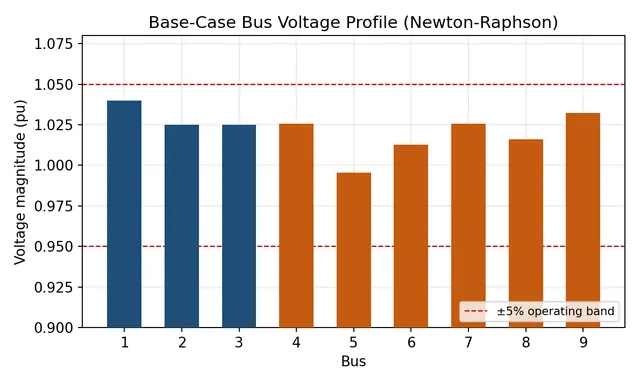
Bus Voltages
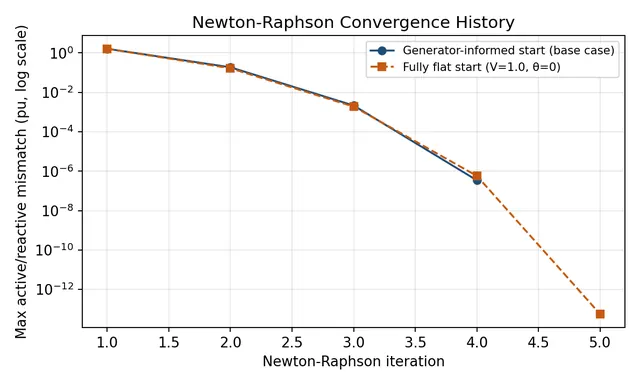
Solver Convergence
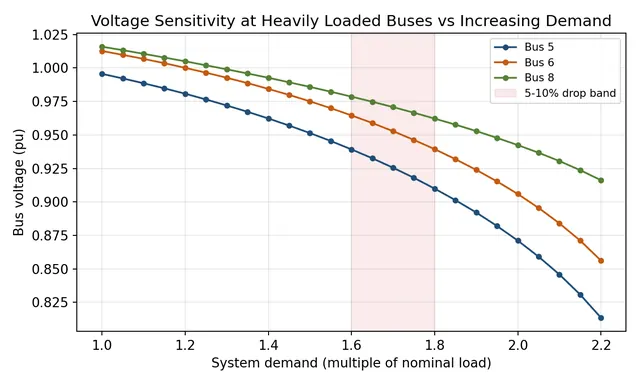
Voltage Stability
Transformer Loading
Redistribution
Results log
Accomplishments
  • Developed a custom Newton-Raphson power flow solver capable of analysing multi-bus transmission networks with reliable convergence within 4–5 iterations
  • Identified 5–10% voltage drops at heavily loaded buses by modelling transformer loading under increased demand, and 62%–253% power flow redistribution under N-1 scenarios
  • Validated simulation results against pandapower, achieving bus voltage within 2% of benchmark solutions
Responsibilities
  • Modelled transmission lines, transformers, generators, and electrical loads to simulate realistic operating conditions
  • Analysed voltage profiles, transformer loading, and system performance under network reconfiguration and contingency events
  • Compared results to industry standard under both nominal operating conditions and N-1 contingency scenarios
Learnings
  • Gained a deeper understanding of power system modelling, load flow analysis, and voltage stability assessment
  • Strengthened skills in numerical methods, Python programming, and validation of engineering models
  • Developed practical insight into how contingency analysis supports secure, reliable, and resilient power system operation
Solar Powered Autonomous Seed Planter
Team-based · Embedded Systems
Jul 2025 — Oct 2025
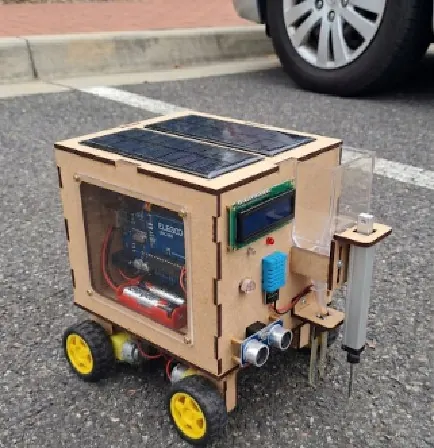
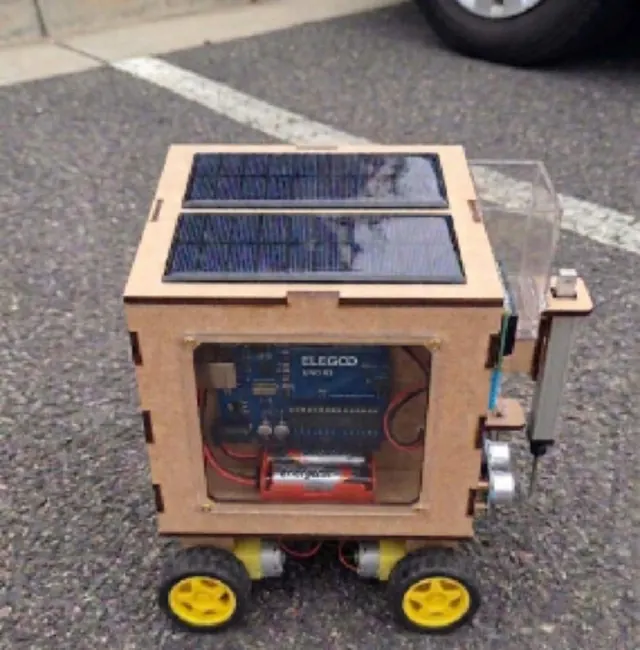
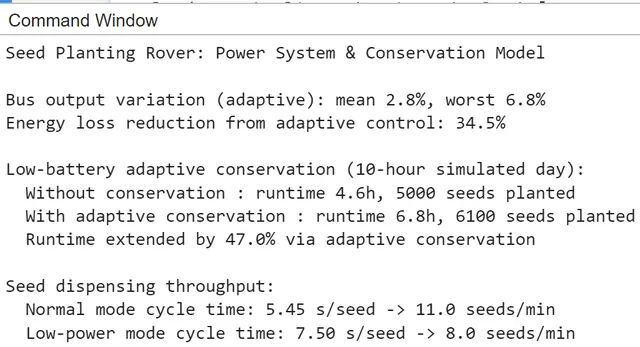
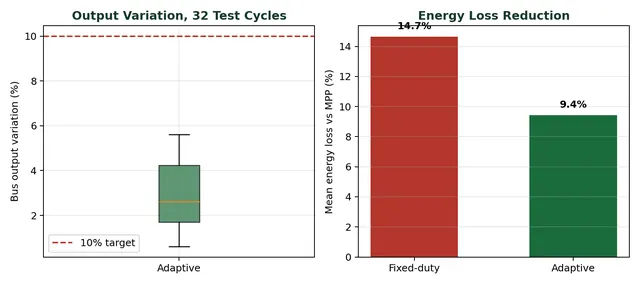
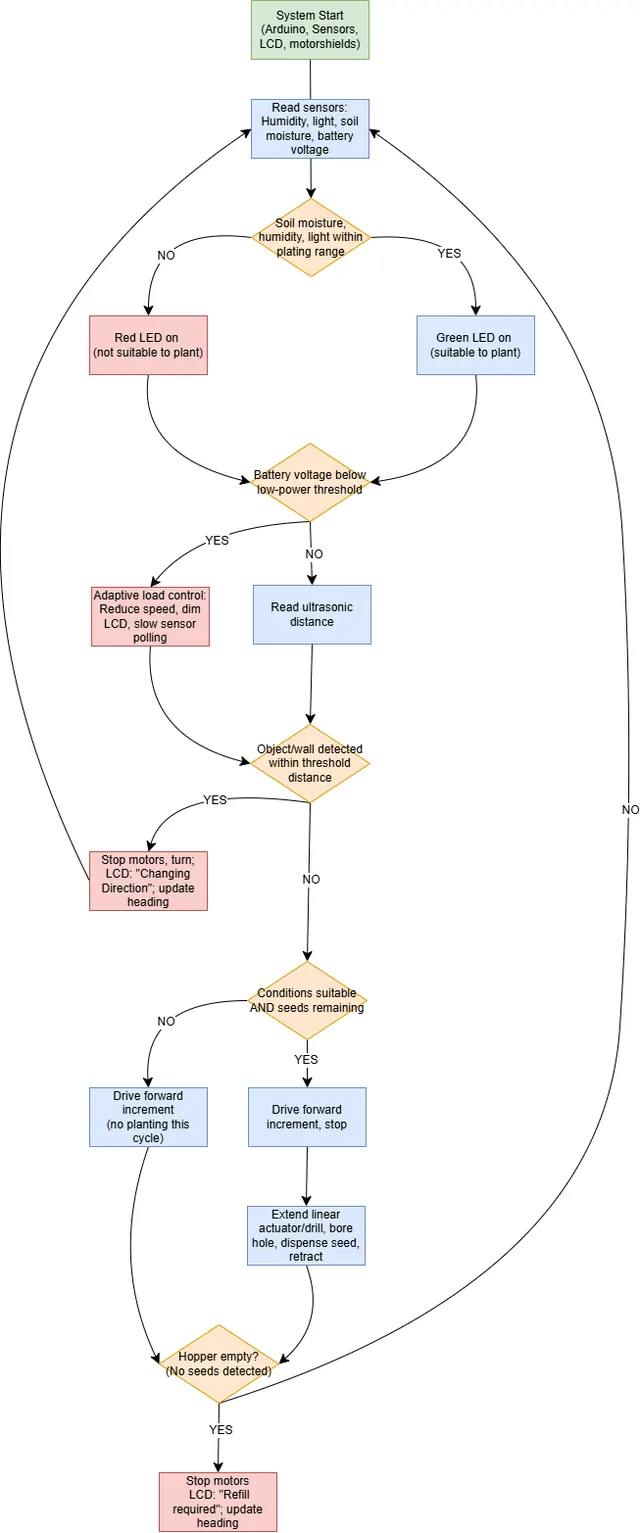
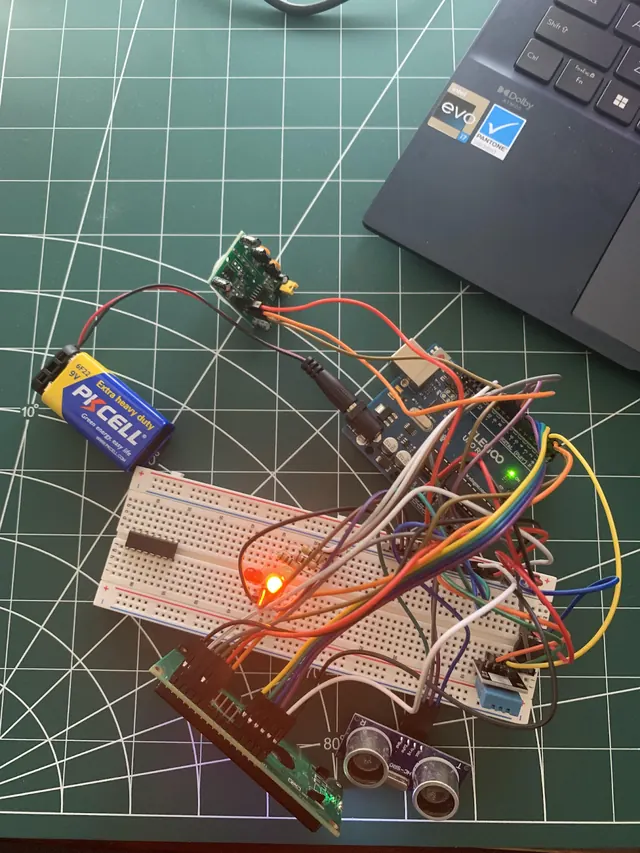
Designed and developed a solar-powered autonomous seed planter that demonstrates the integration of renewable energy, battery storage, and embedded control for off-grid operation. The project focused on low voltage DC power system design, energy management, and adaptive load control to maintain reliable performance under varying solar irradiance. Using Power system modelling and Arduino-based control for electromechanical actuation, the system simulated key principles of distributed energy resources, including energy storage, voltage regulation, and efficient power distribution in standalone renewable energy systems.
Solar Planter Front View
Solar Planter Side View
Solar Planter MATLAB analysis
Solar Planter MATLAB log
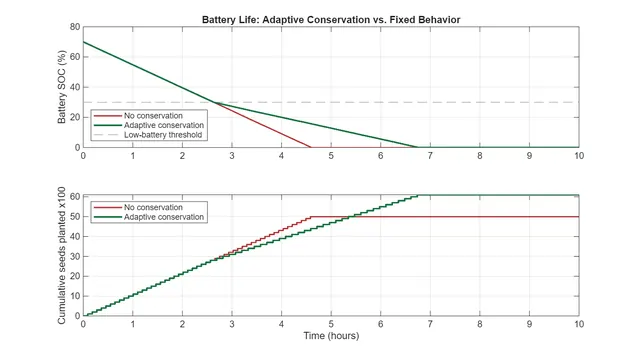
Solar Planter Voltage Comparison
Solar Planter Flowchart
Prototype Photo 1
Prototype Photo 2
Accomplishments
  • Maintained regulated voltage within ±10% under fluctuating solar irradiance while reducing energy losses by 36% versus a fixed-duty baseline, using adaptive control validated across 32 simulated irradiance cycles in MATLAB
  • Extended battery energy system runtime by 47%, achieving 6+ hours of off-grid operation under low irradiance conditions by designing a 3-tier hysteresis based load shedding scheme that dynamically trades load current for battery longevity
  • Led a 4 person team to design an energy aware embedded system delivering consistent mechanical output of 11+ seeds per minute
Responsibilities
  • Designed and simulated the low-voltage DC power system, including solar generation, battery storage, and voltage regulation using MATLAB
  • Owned the electrical system architecture end to end; solar panel integration, battery pack selection and placement, load electronics, and wiring across the platform
  • Designed the embedded load management logic: real time battery voltage monitoring, hysteresis based power mode switching, and dynamic load shedding to protect against brownout and maximize runtime, with serial communication for in-field diagnostics and troubleshooting
Learnings
  • Gained practical experience designing off-grid renewable energy systems with solar generation and battery storage
  • Learned how energy management strategies, load balancing, and voltage regulation improve system reliability and efficiency
  • Developed skills in multidisciplinary systems integration, combining power electronics, embedded programming, and mechanical design into a complete working prototype
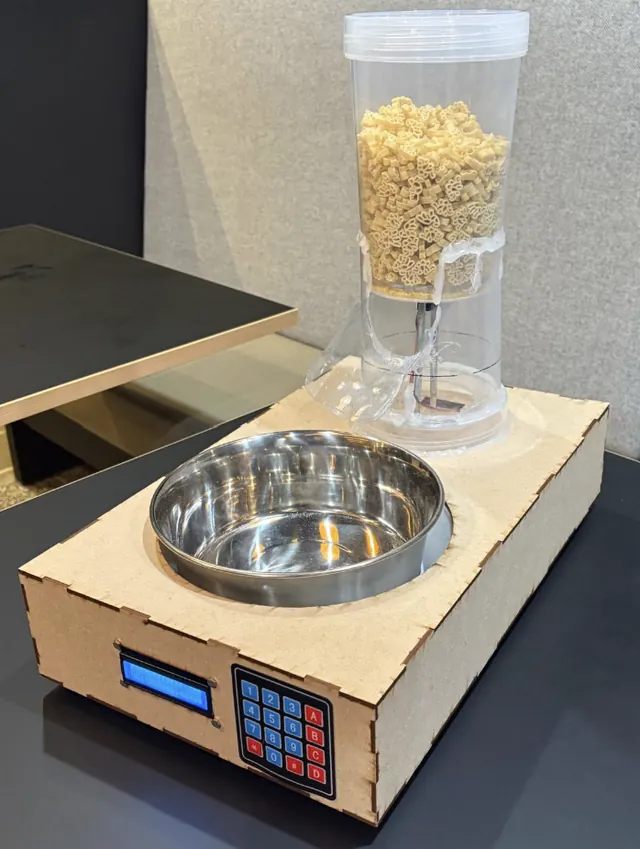
Automatic Pet Feeder
Team-based · Embedded Systems
Sep 2025 — Oct 2025
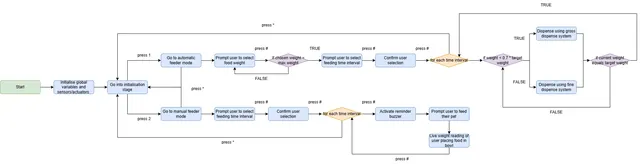
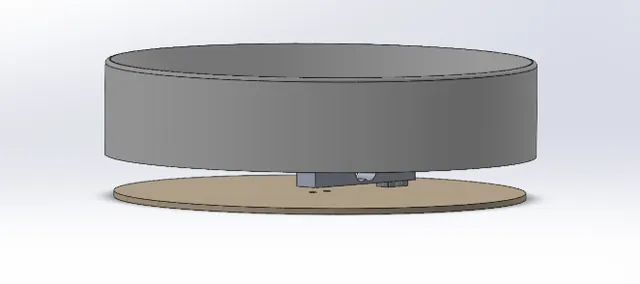
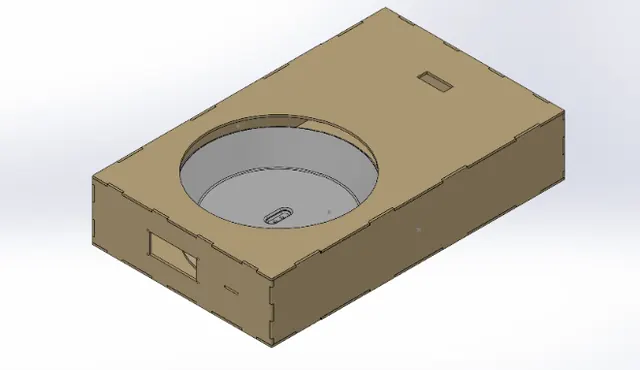
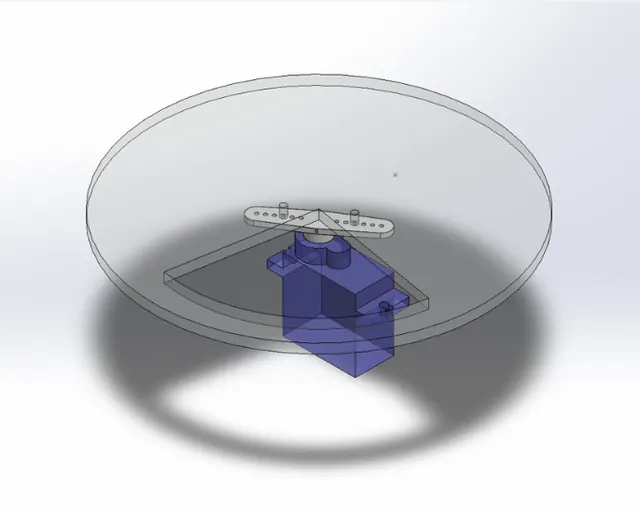
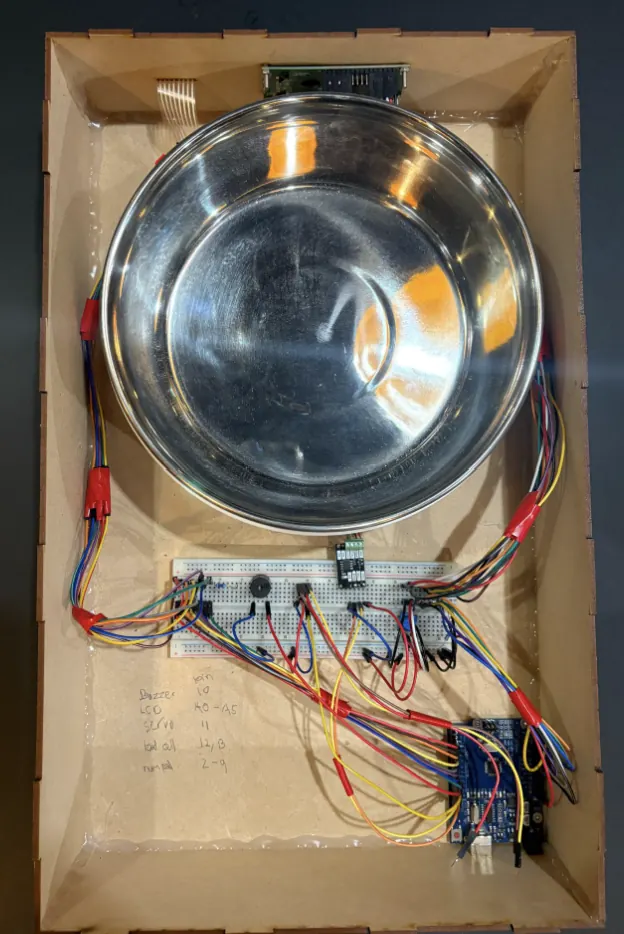
The Autonomous Pet Feeder is an embedded systems project designed to automate pet feeding while improving accessibility for owners with busy schedules or memory related challenges. Built around an Arduino Uno, the system integrates automatic and manual feeding modes, scheduled meal dispensing, weight based portion control, and an intuitive user interface. The project combined embedded programming, electronic hardware integration, mechanical enclosure design, and rapid prototyping to deliver a reliable, low cost smart feeding solution.
Collaborators: Alicia McFarlane & Raph Umali
Feeder Project Isometric
Feeder Electrical Photo
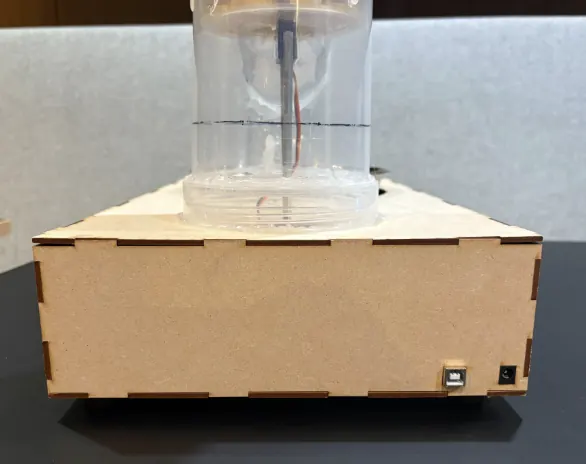
Feeder Project Rear
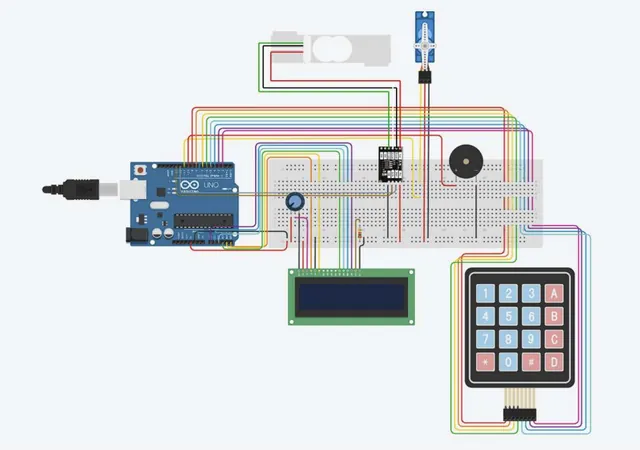
Circuit Schematic
Feeder Flowchart
Feeder CAD Bowl
Feeder CAD Chasis
Feeder CAD Servo
Accomplishments
  • Designed and developed an embedded feeding system supporting automatic scheduling, manual feeding, with configurable feeding times and options optimised for each pet
  • Achieved ±2 g dispensing accuracy across more than 50 testing cycles using a load cell feedback system and servo controlled food dispensing
  • Delivered a fully integrated prototype combining embedded software, electronic hardware, and a custom SolidWorks designed enclosure through successful team collaboration
Responsibilities
  • Programmed the Arduino-based finite state machine (FSM) in C to manage feeding schedules, user interaction, sensor inputs, and actuator control
  • Integrated hardware including the servo motor, load cell, LCD display, keypad, buzzer, and supporting circuitry
  • Assisted in assembling the mechanical enclosure incorporating laser-cut components for reliable hardware mounting while assisting with system testing and troubleshooting
Learnings
  • Developed practical experience in embedded systems development, integrating software with sensors, actuators, and electronic hardware
  • Learned how finite state machine (FSM) architectures improve the reliability, maintainability, and scalability of embedded control systems
  • Gained experience in multidisciplinary engineering by combining embedded programming, electronics, CAD design, prototyping, and iterative hardware validation
Online Personal Portfolio
Self-directed · Web-Dev
Jun 2026 — Jul 2026
Developed a personal engineering portfolio website to present power systems & electrical engineering projects, industry experience, and technical skills. Implemented a responsive interface with interactive project showcases, downloadable reports, and contact functionality using HTML, CSS, and JavaScript.
Accomplishments
  • Developed a responsive online portfolio to showcase engineering projects, technical skills, and professional experience
  • Improved project accessibility by organising work into a structured, easy to navigate interface with detailed project pages
  • Strengthened personal branding through a professional online presence suitable for internship and graduate engineering applications
Responsibilities
  • Designed and implemented the website using HTML, CSS, and JavaScript
  • Created and organised project pages, technical summaries, and downloadable project content
  • Tested and refined the user interface to improve usability, navigation, and performance across different devices and browsers
Learnings
  • Gained practical experience in front-end web development and responsive design principles
  • Improved understanding of user interface (UI) and user experience (UX) design for technical audiences
  • Learned to effectively communicate engineering projects and technical achievements through a professional digital portfolio
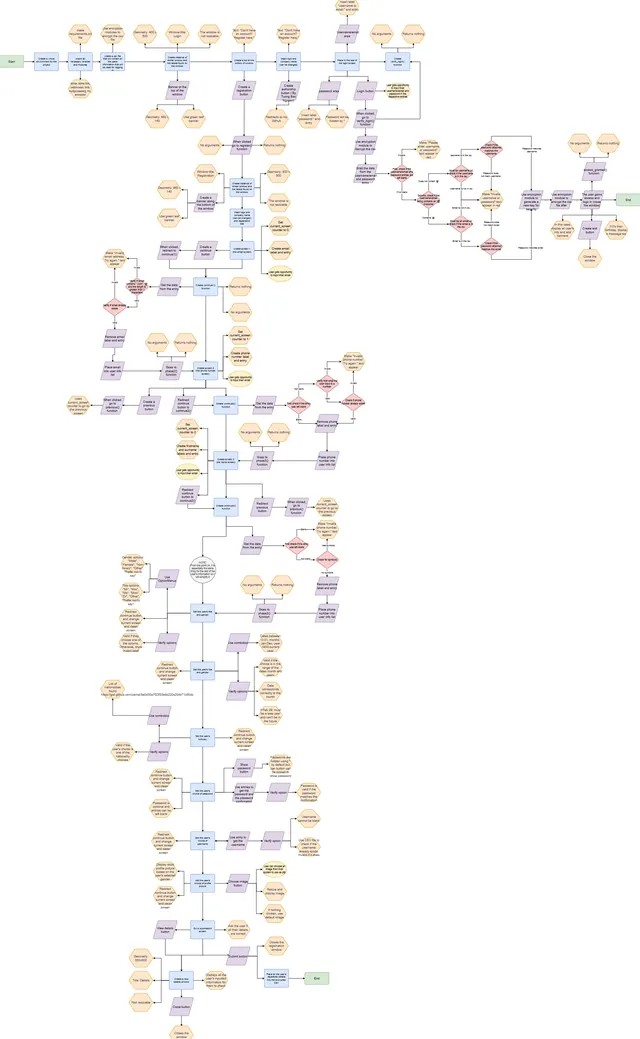
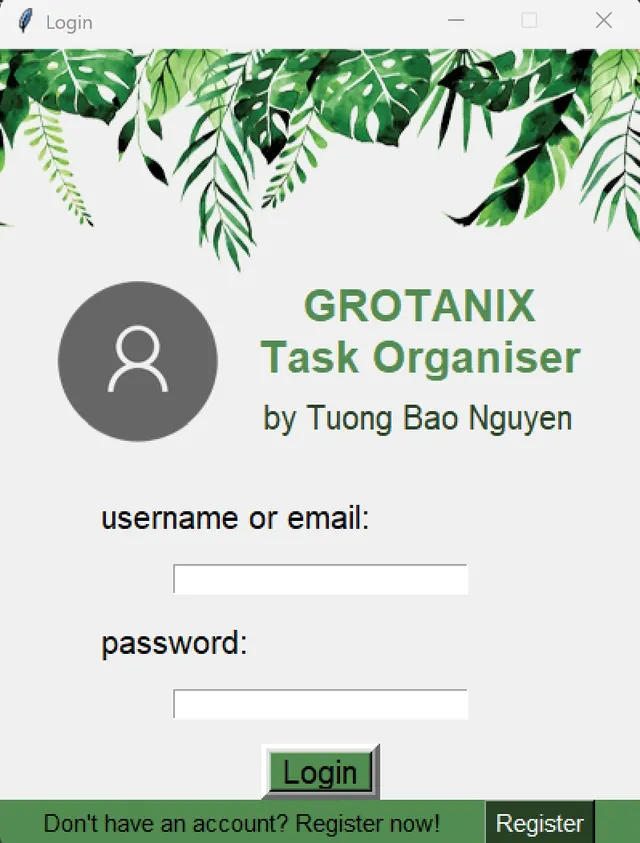
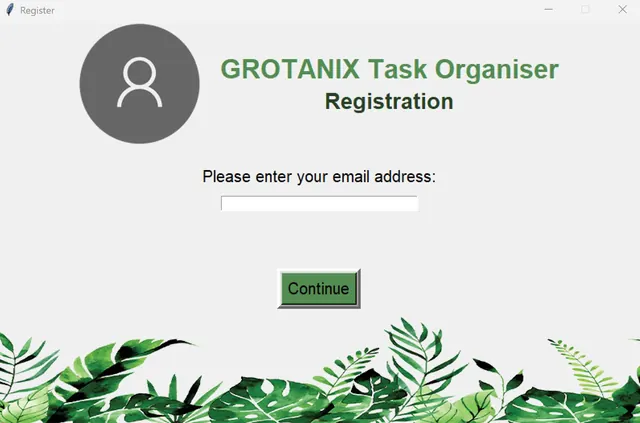
Login and Registration System
Self-directed · Python
Feb 2024 — Mar 2024
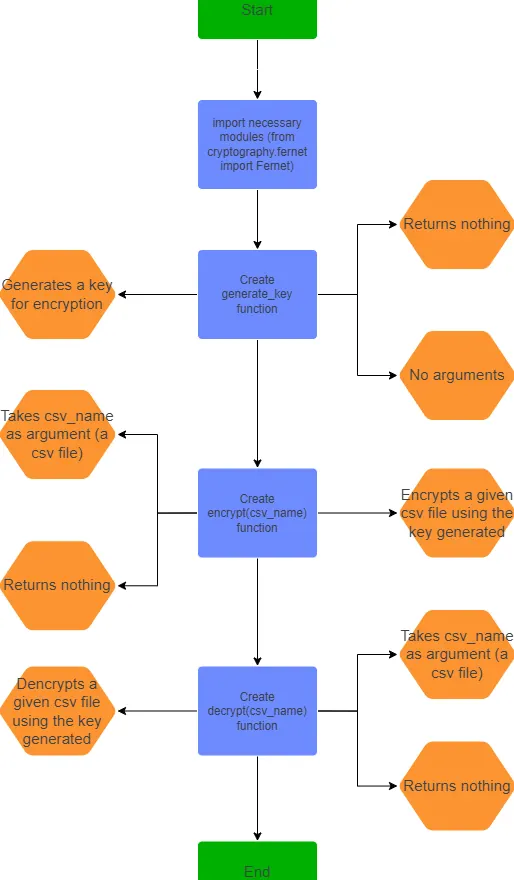
Designed and developed a secure desktop authentication application in Python using the Tkinter GUI framework. The system supports user registration, login authentication, encrypted credential storage, password validation, and account management through an intuitive graphical interface. Security features were implemented to protect user information while providing a responsive and user-friendly experience.
login Flowchart
Login Screen
Register Screen
Encryption Flowchart
Accomplishments
  • Developed a secure authentication system supporting encrypted user credential storage and reliable login verification
  • Improved application usability by creating an intuitive Tkinter interface with input validation and informative user feedback
  • Enhanced system reliability by implementing error handling, duplicate account detection, and persistent user data management
Responsibilities
  • Designed and implemented the graphical user interface using Python's Tkinter library
  • Developed registration, login, password validation, and account authentication functionality
  • Implemented password encryption/hashing, file-based database management, and exception handling to improve application security
Learnings
  • Applied secure software development principles, including password hashing and user authentication techniques
  • Strengthened event-driven application development skills in Python
  • Gained experience designing user interfaces while balancing usability, functionality, and security considerations
Image Editor
Self-directed · Python
Dec 2023 — Jan 2024
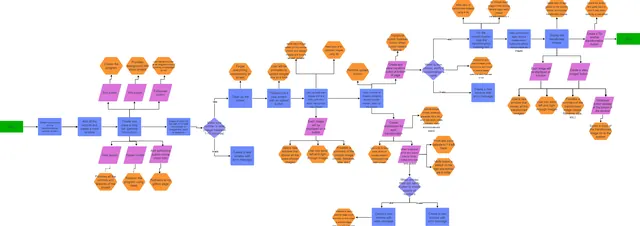
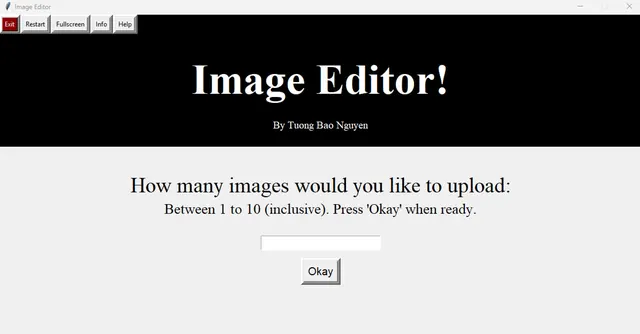
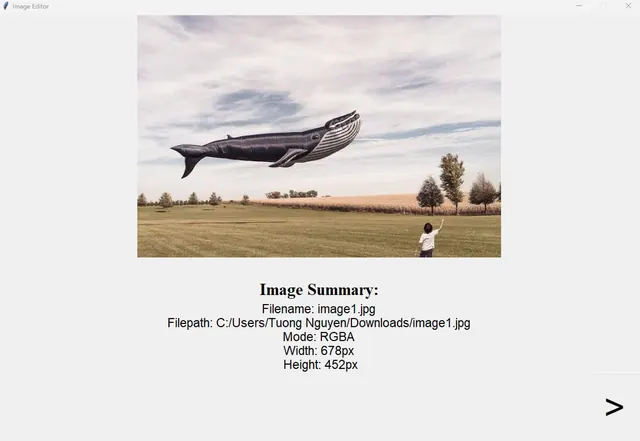
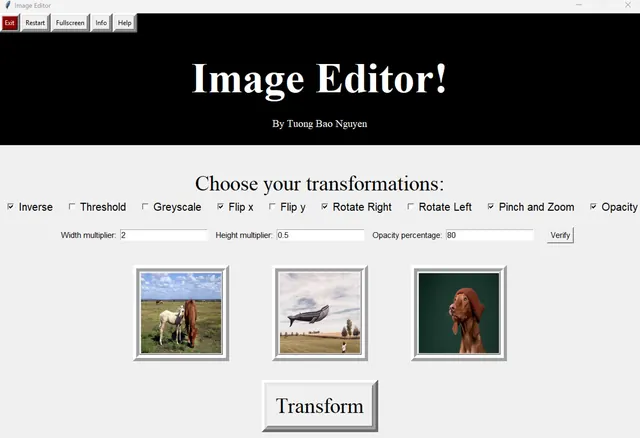
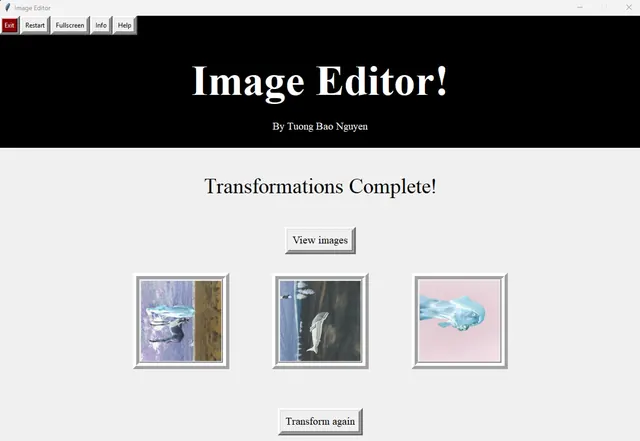
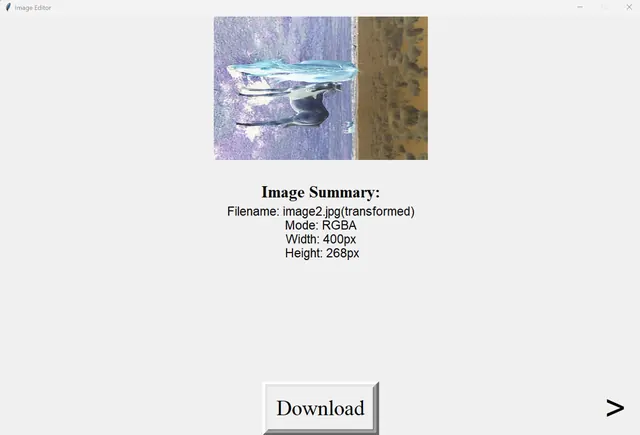
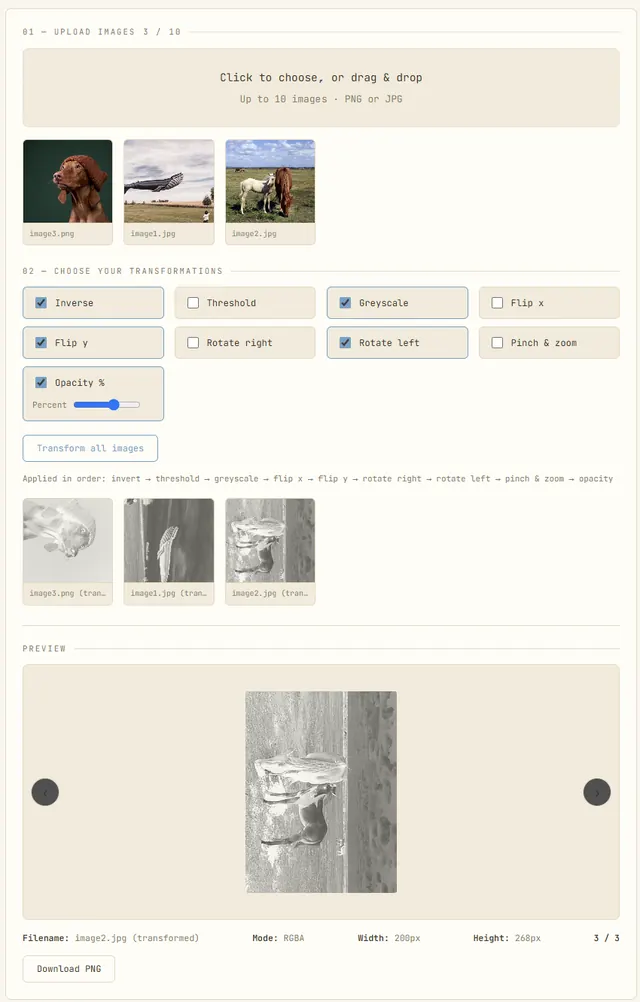
Designed and developed a desktop image editing application in Python using the Tkinter GUI framework. The application enables users to upload, preview, transform, and save multiple images through an intuitive interface. It supports common image processing operations including rotation, flipping, thresholding, grayscale conversion, opacity adjustment, zooming, and image inversion, while providing image metadata and batch processing capabilities.
Image Editor Flowchart
Image Editor Main Screen
Image Editor Image Summary Screen
Image Editor Transform Selection
Image Editor Transformed Screen
Image Editor Download Screen
Accomplishments
  • Developed a multi-image editing application supporting batch processing of up to 10 PNG and JPG images
  • Improved user experience through an interactive GUI featuring image previews, navigation controls, metadata display, and export functionality
  • Automated image transformation workflows, allowing users to apply multiple editing operations and save processed images efficiently
Responsibilities
  • Designed and implemented the graphical user interface using Python's Tkinter library
  • Developed image processing functionality including rotation, flipping, grayscale conversion, thresholding, opacity adjustment, zooming, and inversion
  • Implemented image import/export, file handling, image metadata display, and input validation to ensure reliable application performance
Learnings
  • Gained practical experience developing desktop applications using event-driven programming with Tkinter
  • Strengthened knowledge of digital image processing techniques and image manipulation using Python libraries
  • Improved software design skills by creating a responsive GUI capable of managing multiple images, user interactions, and file operations
🌣

Coming Soon

Still uploading more projects — check back soon!

Let's connect BUS E
Contact
Open to interesting conversations, exciting opportunities, and meaningful collaborations.